
Loading smiles...
Every child needs something a little different from the dentist. Dental Care for Children provides Pediatric Dentistry and Orthodontics at two Calgary locations, with care for babies, children, and teens of all abilities — from first visits and Preventive Care to restorative treatment, dental emergencies, sedation options, and braces.
A first dental visit looks very different from a filling. A filling looks different from an orthodontic check-up. And a child who feels nervous may need a completely different approach from a child who climbs into the chair ready to chat.
That is why Pediatric Dentistry is a specialty.
Pediatric Dentists complete additional specialty training after dental school focused specifically on the oral health and development of infants, children, and adolescents. In Canada, accredited Pediatric Dentistry graduate training may be two or three years. [CITE P1-1] The specialty training includes prevention, restorative care, dental development, behaviour guidance, dental trauma, sedation, and care for children who need additional support. [CITE P1-2]
At Dental Care for Children, that expertise is paired with patience, care, and understanding. We take the time to explain what we see, what we recommend, and what happens next, so you can understand your options and feel confident about your child’s care.

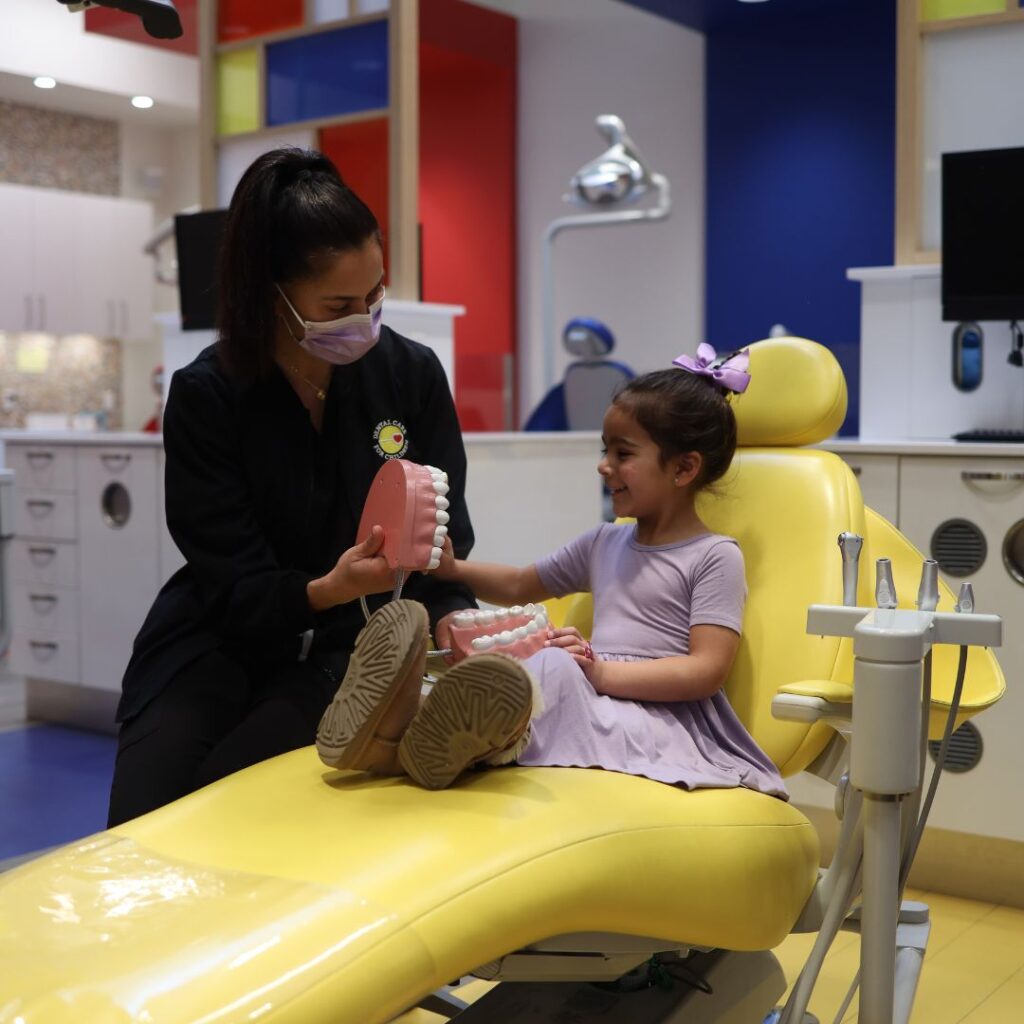
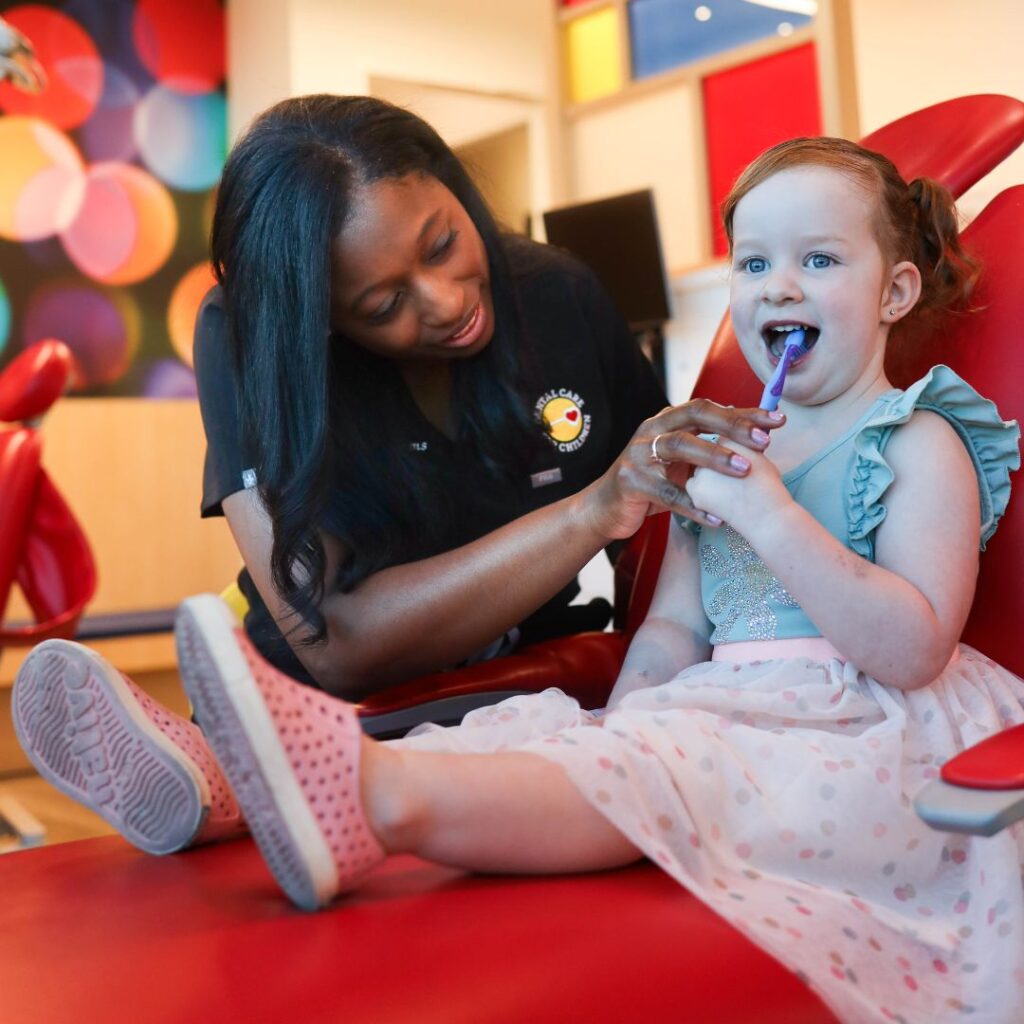
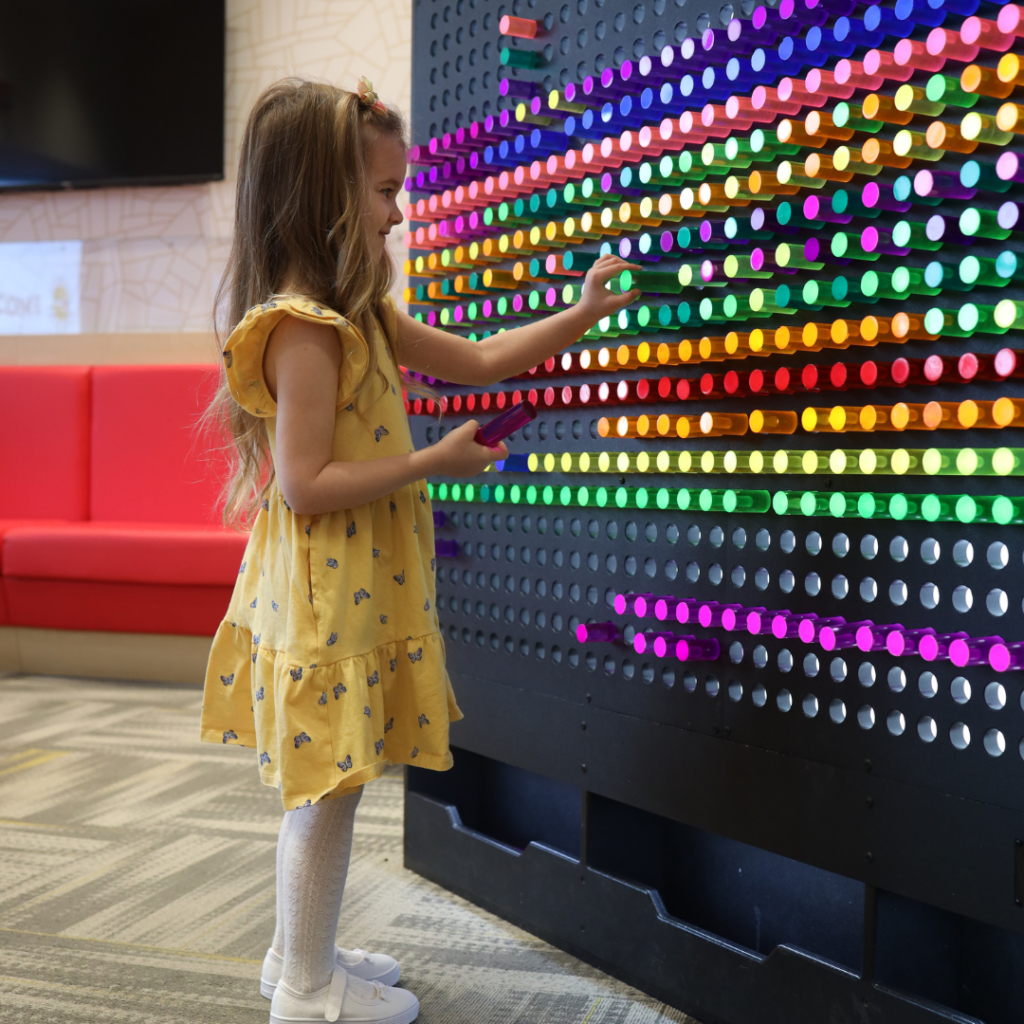
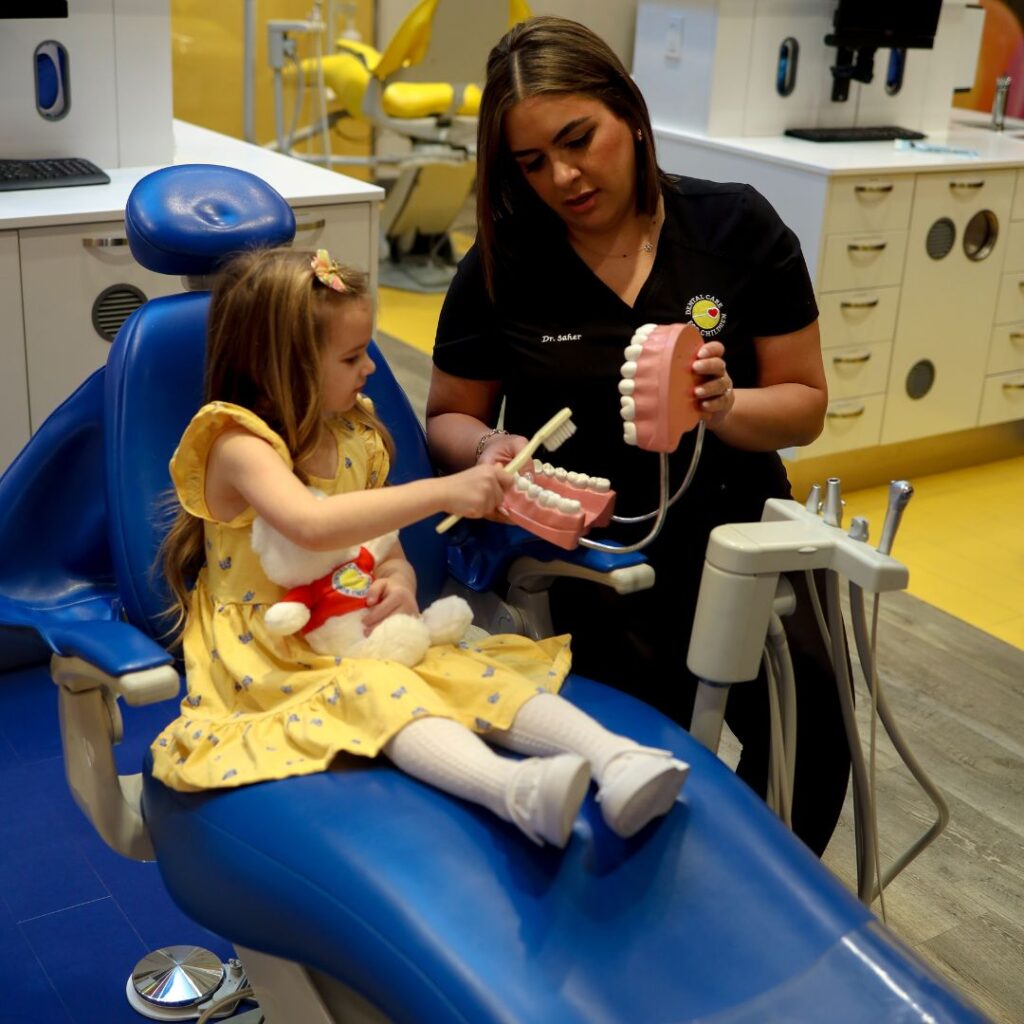

A pediatric dentist cares for children’s teeth as they grow and change — from the first baby tooth until they reach early adulthood.
That can include routine check-ups and cleanings, cavity prevention, fillings and crowns, treatment for dental injuries, monitoring how teeth and jaws are developing, sedation options when extra support is needed, and care adapted around a child’s individual needs.
Every child’s needs are different, and not every child will need every service. We’re here to meet your child where they are, explain what we see and the options available, and help your family feel confident making informed decisions about their care as their smile grows and changes.
A lot of good dental care is simply keeping an eye on how your child’s smile is growing and changing.
Preventive visits give our team time to check the teeth and gums, watch how the smile is developing, talk about brushing and nutrition, and catch small concerns before they become bigger ones.
The Canadian Dental Association recommends a child’s first dental assessment within six months of the first tooth erupting or by one year of age, whichever comes first. After that, the right visit schedule depends on the child’s individual oral-health needs; for many children, that means an examination and cleaning every six months. [CITE P1-3]
Some back teeth are simply harder to keep clean.
Molars have tiny pits and grooves where food and bacteria can collect. Dental sealants are a thin protective layer in those grooves to help lower the chance of cavities developing.
Sealants are recommended soon after permanent molars come in. First permanent molars commonly erupt around age 6 and second permanent molars around age 12. The CDC reports that sealants can prevent up to 80% of cavities in back teeth during the first two years after placement. [CITE P1-4]
Cavities happen. We’re here to help.
A tooth-coloured filling can repair a tooth after the decay has been removed and help restore its shape and function. If a cavity is deeper or the tooth needs more support, a dental crown or pulp treatment may be a better fit. [CITE P1-5]
Our Pediatric Dentists explain the procedure in age-appropriate language and help your child know what to expect.
Sometimes a filling does not give a baby tooth enough protection.
A dental crown may be recommended when a primary tooth has a larger cavity, has been significantly damaged, or needs full coverage after certain pulp treatments. Preformed metal crowns are a trusted option for primary teeth in these situations. [CITE P1-5]
The right restoration depends on the tooth, how much healthy tooth structure remains, your child’s age and needs, and the overall treatment plan.
If a cavity reaches the soft tissue inside a baby tooth, you may hear us talk about a pulpotomy. Parents sometimes hear this called a “baby root canal,” which can make the treatment sound much scarier than it is.
A pulpotomy is a type of pulp treatment used in certain primary teeth when the tooth has a deep cavity but still can be saved. It is not the same procedure as conventional root canal treatment on a permanent tooth. The recommendation depends on the health of the pulp, the condition of the tooth, symptoms, and what the dentist sees clinically and on X-rays. [CITE P1-6]
If we recommend one, we’ll explain exactly what that means for your child’s tooth and why.
Sometimes removing a tooth is the best next step for your child’s smile — for example, when a tooth can’t be repaired or when removal is part of a larger treatment plan.
If an extraction is recommended, our Pediatric Dentists will explain why, what to expect, and the ways we can help to keep your child comfortable. We’ll also let you know if their growing smile needs any additional follow-up.
Tongue tie and lip tie can be confusing because the same concern can look very different from one child to another.
A frenectomy is a procedure that releases a restrictive frenum — the small band of tissue beneath the tongue or inside the lip. Tongue restriction may be associated with feeding or speech concerns in some children, but those concerns can have many causes, and not every child with a tongue tie needs surgery. The American Academy of Pediatric Dentistry supports an individualized, team-based approach when assessment or treatment is being considered. [CITE P1-8]
Our Pediatric Dentists can assess your child’s oral anatomy and talk with you about whether monitoring, dental treatment, or collaboration with another health professional makes sense.
Some kids need more support during dental treatment. That can be because of anxiety, age, sensory sensitivities, medical or developmental needs, previous experiences, or simply the amount of treatment required.
Sedation is one tool that may help. The right approach is chosen for the individual child and should include appropriate evaluation, trained personnel, monitoring, equipment, recovery procedures, and clear parent instructions. [CITE P1-9]
Dental Care for Children offers sedation pathways that may include laughing gas (nitrous oxide), oral sedation, and general anaesthesia depending on the child and treatment plan.
Dental care should be tailored to each child — not to ask every child to fit the same approach.
Some children benefit from more time, fewer surprises, adapted communication, sensory adjustments, different positioning, careful medical coordination, or other individualized support. Pediatric dental guidance recognizes that children with physical, developmental, sensory, behavioural, cognitive, or complex medical needs may require additional adaptations in their care. [CITE P1-10]
At Dental Care for Children, we take the time to understand your child’s communication style, comfort level, medical history, and what helps them feel safe and supported.
When that first tiny tooth emerges, its a good time to start building a relationship with the dentist.
The Canadian Dental Association recommends a child’s first dental assessment within six months of the first tooth erupting or by one year of age. [CITE P1-3] Early visits give parents a place to ask questions about brushing, feeding, fluoride, teething, cavity risk, and what to expect as more teeth arrive.
At Dental Care for Children, first visits are designed to be gentle, child-friendly, educational, and appropriate for your child’s age and comfort level.
A fall at the playground. A broken tooth. Sudden swelling. A toothache that gets much worse.
When something unexpected happens, you do not need to diagnose it yourself. Call us. We can help you understand what needs to happen next.
Dental emergencies can include swelling, infection, uncontrolled bleeding, significant pain, and injuries to the teeth or mouth. [CITE P1-11] For a knocked-out permanent tooth, immediate action matters; guidance is different for a knocked-out baby tooth, which should not be replanted. [CITE P1-12] [CITE P1-13]
Southport: (403) 278-8000
Sunridge: (403) 457-3311
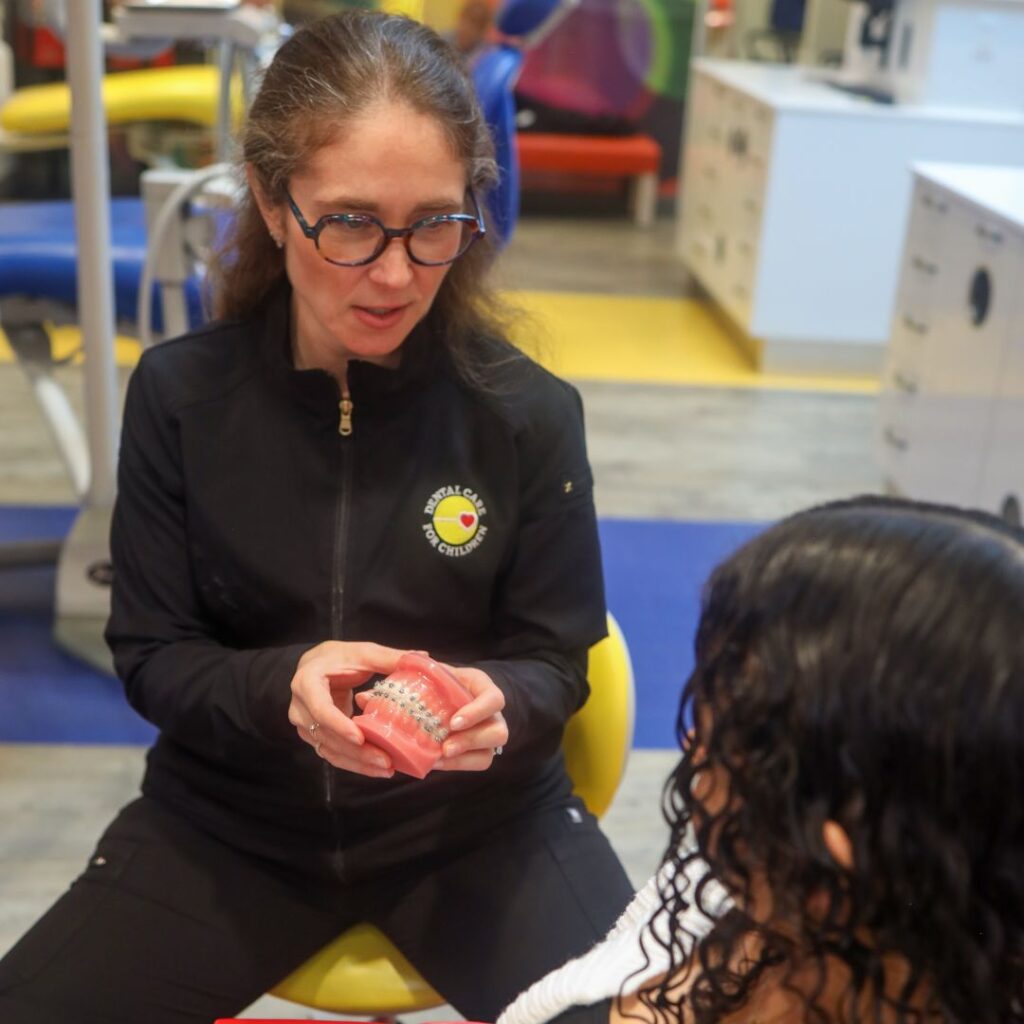
Orthodontics is about more than straight teeth. It evaluates how the teeth and jaws are developing together — including alignment, bite, function, and the timing of treatment.
Our Orthodontist, Dr. Phoebe Good, provides Orthodontic Treatment for children and teens at Dental Care for Children.
The American Association of Orthodontists recommends a first orthodontic check-up no later than age 7. That does not mean every child needs treatment at 7. It gives the Orthodontist a chance to identify developing concerns and decide whether the best next step is treatment, monitoring, or simply waiting. [CITE P1-14]

Dental Care for Children has earned over 1,000 five-star reviews from Calgary families, reflecting decades of trusted pediatric dental care.
Smiles matter. For kids, they help build confidence, support friendships, and set the foundation for a lifetime of healthy habits.
We’re here to grow alongside your child’s smile, whatever their individual needs may be. We take the time to explain the options available, answer questions clearly, and help families feel confident making informed decisions about their child’s care — all in a safe, supportive, and caring environment.
Dental Care for Children brings Pediatric Dentistry and Orthodontics together for children of all ages. Whether you’re here for a first visit, a filling, an emergency, a routine checkup, extra support during treatment, or a first conversation about braces, we’re here to help. We truly Love to See You Smile.
Fun, Inviting & Educational
Southport Office
Southport Clinic
#104 – 10601 Southport Rd SW
Calgary, AB, T2W 3M6
(403) 278-8000
Sunridge Office
Sunridge Clinic
#110 – 3363 26 Ave NE
Calgary, AB, T1Y 6L4
(403) 457-3311
Have more questions? Our team is here to help!
Our patient education resources draw on guidance and publications from recognized Canadian and international dental and health organizations. The references below support information presented across our pediatric dental and orthodontic services.
These materials are provided for general education and do not replace advice from your child’s dental care team. External resources are maintained by their respective organizations.